
From chemical processing facilities and high-piled storage warehouses to aerospace hangars and energy infrastructure, we engineer specialized fire suppression and life safety systems that protect critical operations, human life, and high-value physical assets.
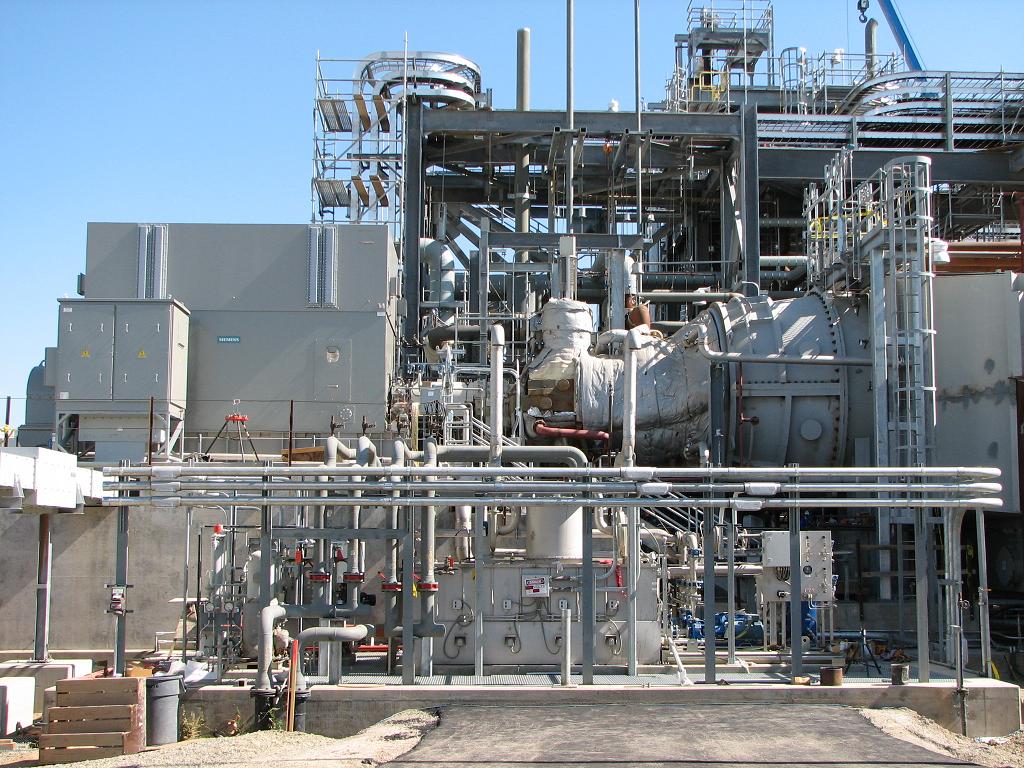

Industrial and aerospace facilities are governed by stringent NFPA codes (including NFPA 11, NFPA 15, NFPA 16, and NFPA 409) alongside California Fire Code (CFC) local amendments. For federal or defense contractors, we engineer designs strictly aligned with Unified Facilities Criteria (UFC 3-600-01) to ensure full compliance across both state and military jurisdictions.
Yes. We perform comprehensive facility property audits to identify non-compliant chemical storage, inadequate sprinkler discharge density, unapproved structural modifications, or unmitigated egress risks. We deliver actionable engineering audit reports detailing step-by-step retrofits required to achieve full compliance with local Authorities Having Jurisdiction (AHJs) and insurance underwriters.
For defense industrial base, aerospace, and critical infrastructure projects, our firm maintains CMMC Level 2 compliance. This ensures all sensitive facility blueprints, hazardous process data, and Controlled Unclassified Information (CUI) are managed through encrypted, fully compliant data environments throughout the engineering lifecycle.